
تعد عملية مطابقة الألوان لمطاط السيليكون السائل الطبي أكثر تعقيدًا من مجرد اختيار رقم بانتون وإضافة صبغة إلى مطاط السيليكون السائل القياسي.
يمكن أن يتأثر المظهر النهائي لمكون السيليكون الطبي بعدة عوامل، منها مادة LSR الأساسية، والتركيب الكيميائي للصبغة، وتركيز الصبغة، وسماكة القطعة، والشفافية، ونوعية تشطيب القالب، وظروف المعالجة، والمعالجة اللاحقة، والتعقيم، والتقادم، والإضاءة، وطريقة القياس.
كما أن الملونات قد تغير الخصائص الكيميائية والبيولوجية لنظام المواد. ولا ينبغي اعتبار مادة السيليكون المرن (LSR) الطبيعية ونسخة ملونة من نفس السيليكون الأساسي متكافئتين تلقائيًّا عند تقييم الأجهزة الطبية.
ولهذا السبب، يجب أن تحقق مطابقة الألوان الطبية باستخدام تقنية LSR ثلاثة أهداف في آن واحد:
- تحقيق اللون المرئي المطلوب
- الحفاظ على نقاء المواد والأداء الوظيفي
- وضع ضوابط تنظيمية وضمان الجودة موثقة
يشرح هذا الدليل كيف يمكن لمصنعي الأجهزة الطبية ومهندسي المشتريات اختيار الأصباغ، وتحديد مواصفات الألوان، ومراقبة عملية الإنتاج، والتحقق من مطابقة مكونات LSR الملونة للمعايير.
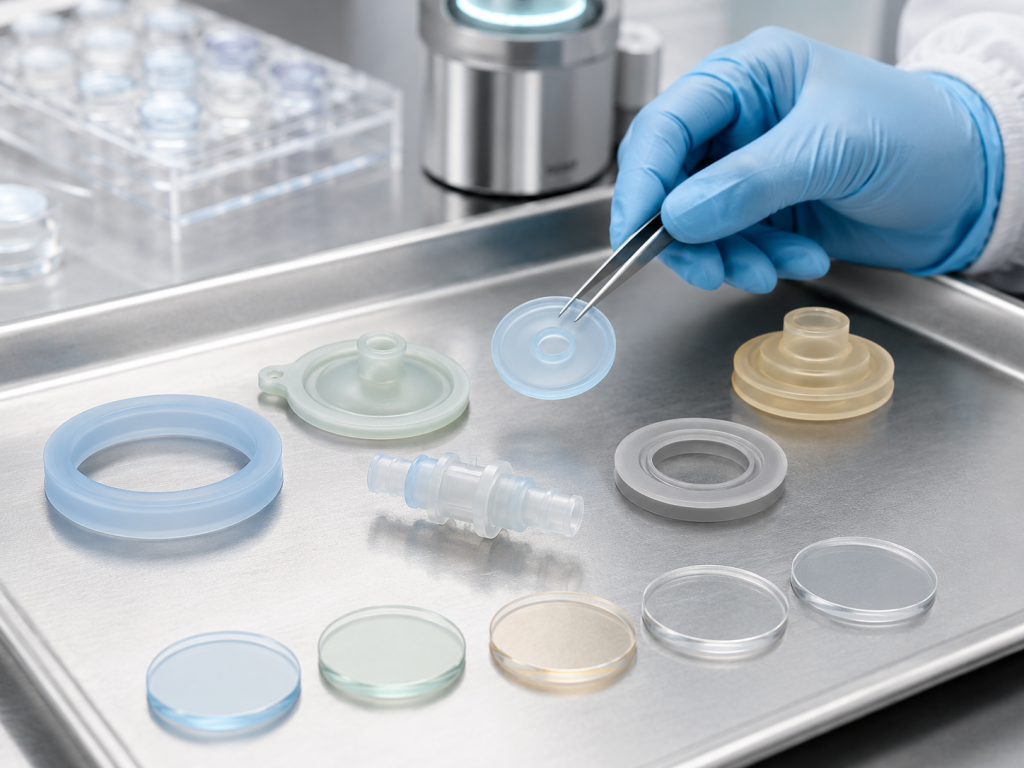
لماذا يُعد اللون عاملاً مهمًا في المكونات الطبية المصنوعة من مادة LSR
قد يبدو اللون مجرد متطلب تجميلي، لكنه يمكن أن يؤدي وظائف مهمة في الجهاز الطبي.
ومن بين الأغراض الشائعة ما يلي:
- التمييز بين أحجام الأجهزة
- تحديد الإصدارات المختلفة للمنتج
- فصل المكونات القابلة لإعادة الاستخدام عن المكونات التي تُستخدم لمرة واحدة
- تحديد مسارات السوائل
- تسهيل عملية التجميع الصحيحة
- تحديد المكونات اليسرى واليمنى
- التمييز بين أنماط توصيل الأدوية
- تحسين الرؤية أثناء الاستخدام السريري
- التوافق مع علامة تجارية أو مجموعة منتجات
- إخفاء المكونات الداخلية
- زيادة التباين لأغراض الفحص
- دعم تصميم واجهة المستخدم
وبالتالي، فإن عدم تطابق الألوان قد لا يقتصر تأثيره على مجرد مشكلة جمالية. ففي بعض التطبيقات، قد يؤدي ذلك إلى أخطاء في التجميع، أو أخطاء في اختيار المنتج، أو مشاكل في الفحص، أو حدوث ارتباك أثناء الاستخدام.
يجب التعامل مع اللون المطلوب باعتباره إحدى خصائص المنتج الخاضعة للرقابة.
ما المقصود بمطابقة الألوان في LSR الطبية؟
تُعرف مطابقة الألوان في مطاط السيليكون السائل الطبي (LSR) بأنها عملية إنتاج لون معين والتحكم فيه ضمن تركيبة مطاط السيليكون السائل المخصصة لمكونات الرعاية الصحية.
يتضمن نظام الألوان عادةً ما يلي:
- معدل LSR الأساسي المعتمد
- صبغة واحدة أو أكثر
- حامل متوافق مع السيليكون
- تركيز محدد للصبغة
- طريقة الجرعات الخاضعة للرقابة
- شروط القولبة المعتمدة
- شروط المعالجة اللاحقة المعتمدة
- التعرض المحدد للتعقيم
- معيار لوني مادي
- حدود الألوان الآلية
- معايير القبول البصرية
قد يؤثر تغيير أي من هذه العناصر على النتيجة النهائية.
قد ينتج عن الصبغة التي تعطي اللون الصحيح في إحدى درجات مادة LSR مظهرًا مختلفًا في درجة أخرى، وذلك لأن المواد الأساسية قد تختلف من حيث الشفافية، ومحتوى الحشو، وخصائص الانكسار، وكيمياء المعالجة، واللون الطبيعي.
ابدأ بالتطبيق الطبي المقصود
ينبغي أن يبدأ اختيار اللون بالاستخدام المقصود للجهاز النهائي، وليس بالمظهر وحده.
ومن بين الأسئلة المهمة ما يلي:
- هل يتلامس الجزء الملون مع المريض؟
- هل الاتصال مباشر أم غير مباشر؟
- ما هو النسيج أو السائل الذي يتلامس معه؟
- كم من الوقت يستمر الاتصال؟
- هل يُستخدم هذا الجزء داخليًّا أم خارجيًّا؟
- هل هو قابل لإعادة الاستخدام أم للاستخدام مرة واحدة؟
- هل سيتم توفيره معقمًا؟
- ما هي طريقة التعقيم التي سيتم استخدامها؟
- هل سيتلامس مع الأدوية أو سوائل المعالجة؟
- ما هي الأسواق الخاضعة للرقابة التي ستتوفر فيها هذه الأجهزة؟
- هل يُستخدم هذا اللون لتوصيل معلومات تتعلق بالسلامة؟
- هل يمكن أن يؤثر تغير اللون على وظيفة الجهاز أو عملية الفحص؟
يُقيّم الإطار الحالي للمعيار ISO 10993-1:2025 السلامة البيولوجية في إطار عملية إدارة المخاطر، ويأخذ في الاعتبار الجهاز بأكمله، والمواد المستخدمة في تصنيعه، وعملية التصنيع، والتلامس المقصود مع المريض.
كلما زادت أهمية التلامس مع المريض والوظيفة السريرية، كلما كان من الضروري التحكم في نظام الصبغ وعملية التصنيع بعناية أكبر.
“الصباغ الطبي” ليس موافقة كاملة
يمكن أن يشير مصطلح “صبغة طبية” إلى مادة ملونة تم تطويرها استنادًا إلى وثائق طبية أو اختبارات بيولوجية، إلا أن ذلك لا يعني تلقائيًا اعتماد المكون الملون النهائي لكل استخدام طبي.
تعتمد الملاءمة على:
- الهوية الدقيقة للصبغة
- تركيز الصبغة
- تركيبة الناقل
- LSR الأساسي
- عملية التصنيع
- فئة الاتصال بالمريض
- مدة الاتصال
- عملية التعقيم
- التغليف
- السوق المستهدفة
- التقييم البيولوجي للجهاز النهائي
تُعرِّف إدارة الغذاء والدواء الأمريكية (FDA) التوافق الحيوي من منظور الاستجابة المناسبة للجسم المضيف في تطبيق معين. وهذا يعني أنه لا يمكن وصف مادة أو صبغة ما بأنها متوافقة حيويًا بشكل عام دون النظر إلى استخدامها الفعلي.
يمكن أن تساعد وثائق المورد في عملية التقييم، لكن الشركة المصنعة للجهاز تظل مسؤولة عن سلامة المنتج النهائي ومطابقته للمتطلبات التنظيمية.
فهم نظام الألوان الكامل
لا يتكون نظام ألوان السيليكون الطبي من الصبغة وحدها.
قد يحتوي على:
- صبغة عضوية أو غير عضوية
- حامل من السيليكون
- بوليمر السيليكون التفاعلي
- مواد مساعدة على التشتت
- المواد المساعدة في التصنيع
- مكونات التثبيت
- مزيج من عدة أصباغ لإنشاء لون واحد
قد تستخدم معاجين الألوان التجارية المصنوعة من السيليكون أصباغًا مشتتة في بوليمرات سيليكون تفاعلية، بحيث يكون الناقل متوافقًا مع مصفوفة السيليكون.
فيما يتعلق بالمشاريع الطبية، ينبغي على فرق المشتريات طلب معلومات عن المزيج الرئيسي الكامل — وليس مجرد اسم اللون.
لماذا تُفضل ملونات السيليكون المُشتتة مسبقًا
قد تؤدي إضافة مسحوق الصبغة الجاف مباشرةً إلى مادة LSR إلى حدوث مشاكل تتعلق بالتعامل معها، والتلوث، والتشتت، وقابلية التكرار.
يمكن أن يوفر معجون السيليكون الملون المُشتت مسبقًا أو المزيج الرئيسي ما يلي:
- توزيع أكثر اتساقًا للصبغة
- توزيع جرعات آلي أسهل
- انخفاض كمية الغبار المتطاير في الهواء
- انخفاض مخاطر التلوث
- تكرار أفضل للألوان
- تحضير المواد بشكل أسرع
- تحسين إمكانية التتبع
- تحكم أكثر استقرارًا في الإنتاج
تتوفر تجارياً مستحلبات ألوان السيليكون المخصصة لقطاع الرعاية الصحية لاستخدامات كل من LSR وHCR، بما في ذلك الأنظمة المدعومة بمعلومات من الفئة السادسة وفقاً لمعايير USP والوثائق الخاصة بقطاع الرعاية الصحية.
ومع ذلك، يجب مراجعة الوثائق الخاصة بالملون جنبًا إلى جنب مع الوثائق الخاصة بمادة LSR الأساسية والمكون النهائي.
عوامل اختيار الصبغات
يجب أن تستوفي الصبغة المتطلبات البصرية والتقنية على حد سواء.
ومن بين الخصائص المهمة ما يلي:
- قوة اللون
- جودة التشتت
- الاستقرار الحراري
- مقاومة التلاشي تحت تأثير الضوء
- المقاومة الكيميائية
- استقرار التعقيم
- مقاومة البهتان
- مقاومة الهجرة
- ملف تعريفي عن المعادن الثقيلة
- التوثيق البيولوجي
- ملف تعريف المواد القابلة للاستخلاص
- التوافق مع مطاط السيليكون المرن (LSR) المُعالج بالبلاتين
- الاتساق بين الدُفعات
- التوافر في إطار نظام مراقبة التغييرات
لا يعني اللون الزاهي بالضرورة أن المنتج الطبي مناسب.
قد لا توفر بعض الأصباغ التي تتميز بكثافة بصرية ممتازة الوثائق المطلوبة، أو ثبات التعقيم، أو المقاومة الكيميائية.
الأصباغ العضوية وغير العضوية
يمكن استخدام كل من الأصباغ العضوية وغير العضوية في أنظمة تلوين السيليكون.
الأصباغ العضوية
يمكن أن توفر الأصباغ العضوية ما يلي:
- الألوان الزاهية
- قوة لونية عالية
- مجموعة واسعة من الألوان
- شفافية جيدة في تركيبات محددة
قد تشمل المخاوف المحتملة ما يلي:
- الاستقرار الحراري
- مقاومة التلاشي تحت تأثير الضوء
- المقاومة الكيميائية
- التغيرات اللونية الناتجة عن الإشعاع
- اتساق الدُفعات
- الوثائق التنظيمية
الأصباغ غير العضوية
قد توفر الأصباغ غير العضوية ما يلي:
- ثبات عالٍ في درجات الحرارة العالية
- درجة تغطية جيدة
- ألوان ترابية ثابتة أو ألوان محايدة
- مقاومة قوية لبيئات محددة
قد تشمل المخاوف المحتملة ما يلي:
- تركيبة المعادن الثقيلة
- تقليل سطوع الألوان
- انخفاض الشفافية
- سلوك الترسيب أو التشتت
- مجموعة ألوان محدودة
يعتمد نوع الصبغة المناسب على اللون المستهدف ومتطلبات الجهاز وظروف المعالجة والتقييم التنظيمي.
الاعتبارات التي تراعيها إدارة الغذاء والدواء الأمريكية (FDA) بشأن المضافات اللونية المستخدمة في الأجهزة الطبية
في الولايات المتحدة، قد تخضع المضافات اللونية المستخدمة في بعض الأجهزة الطبية لأحكام إدارة الغذاء والدواء (FDA) المتعلقة بالمضافات اللونية. وتشير إدارة الغذاء والدواء (FDA) إلى أن الاستخدام المسموح به يعتمد على القائمة المعمول بها والغرض المقصود من استخدام الجهاز.
لا ينبغي الافتراض تلقائيًا أن المادة المضافة اللونية المسموح باستخدامها لمرة واحدة تُعتبر مقبولة في الحالات التالية:
- منطقة العين
- التطبيقات القابلة للحقن
- خيوط الجراحة
- التواصل مع المريض على المدى الطويل
- الأجهزة القابلة للزرع
- فئة جهات اتصال أخرى
تحتفظ إدارة الغذاء والدواء الأمريكية (FDA) بقوائم وقيود خاصة بالاستخدامات المحددة لكل مادة ملونة مضافة على حدة.
ينبغي على فريق الرقابة مراجعة الهوية الدقيقة للصبغة، والاستخدام المقصود، والتركيز، ومدى ملامستها للمرضى، ومتطلبات السوق المعمول بها قبل الموافقة على تركيبة اللون.
التقييم البيولوجي لمادة LSR الملونة
تؤدي إضافة صبغة إلى تكوين تركيبة مادية جديدة من منظور إدارة المخاطر.
ينبغي أن يأخذ التقييم البيولوجي في الاعتبار ما يلي:
- تركيبة السيليكون الأساسية
- تركيبة الصبغة
- حامل الصبغة
- تركيز الصبغة
- المواد المساعدة في التصنيع
- المعالجة اللاحقة
- التعقيم
- التنظيف
- التغليف
- مشتقات التحلل المحتملة
- المواد القابلة للاستخلاص والتسرب
توفر المواصفة القياسية ISO 10993-18 إطارًا عمل لتحديد مكونات الجهاز الطبي، وقياس كمياتها عند الضرورة. أما المواصفة القياسية ISO 10993-17 فتتناول تقييم المخاطر السمية للمكونات التي تم تحديدها.
قد تساهم المعلومات المتوفرة عن المورد في الحد من إجراء الاختبارات غير الضرورية، لكن يجب أن تكون هذه المعلومات ذات صلة بالمكون الملوّن والمعالج والمعقم بالضبط.
لا يعتبر المطاط السيليكوني الطبيعي (LSR) والمطاط السيليكوني الملون (LSR) متكافئين تلقائيًا
قد تتوفر بالفعل معلومات عن الاختبارات البيولوجية الخاصة بمادة LSR الطبيعية أو الشفافة. وقد تؤدي إضافة مادة ملونة إلى تغيير:
- التركيب الكيميائي
- ملف تعريف المواد القابلة للاستخلاص
- مظهر السطح
- تصحيح السلوك
- الأداء الميكانيكي
- استجابة التعقيم
- الخصائص البصرية
- قدرات التفتيش
قد يظل التقييم البيولوجي السابق مصدرًا لمعلومات داعمة مفيدة، لكن يجب توثيق إضافة الصبغة وتقييمها.
ينبغي أن يحدد التقييم ما إذا كانت الأدلة الحالية لا تزال سارية أم أن هناك حاجة إلى إجراء مزيد من تحديد الخصائص الكيميائية أو التقييم السمي أو الاختبارات البيولوجية.
مخاطر النقاء في مطابقة ألوان مادة LSR الطبية
تشمل المخاطر المحتملة المتعلقة بالنقاء ما يلي:
- صبغة غير صحيحة
- مواد شحن غير معتمدة
- استبدال الملونات الصناعية
- التلوث المعدني
- التلوث بالغبار
- التلوث المتبادل من لون آخر
- بقايا من معدات الخلط
- بقايا مواد التنظيف
- عوامل إزالة القوالب غير الخاضعة للرقابة
- مواد معاد تدويرها أو معاد تصنيعها
- تكتل الصبغة
- الجرعة غير الصحيحة
- التغييرات غير المعتمدة في الموردين
قد يتطابق لون ما بصريًّا مع المعيار المعتمد، مع أنه لا يزال يستخدم تركيبة كيميائية خاطئة.
بالنسبة للمكونات الطبية، فإن تحديد الهوية وإمكانية التتبع لا يقلان أهمية عن المظهر.
تثبيط المعالجة بالبلاتين
تستخدم العديد من المواد الطبية المصنوعة من البوليمر اللين (LSR) عملية المعالجة بالتضفيف الإضافي المحفز بالبلاتين.
قد تتداخل بعض الملوثات مع تفاعل التصلب، مما يؤدي إلى:
- الأسطح اللزجة
- التصلب غير الكامل
- المناطق الرخوة
- انخفاض القوة الميكانيكية
- استقرار أبعاد ضعيف
- ضعف الترابط
- عيوب السطح
Potential contamination sources may include unsuitable pigments, sulfur-containing materials, amines, lubricants, cleaning agents, gloves, adhesives, and residues from other rubber-processing operations.
The colorant should be specifically assessed for compatibility with the selected platinum-cured LSR.
Color Concentration
The pigment loading level affects both appearance and material behavior.
Insufficient colorant may produce:
- A shade that is too light
- High translucency
- Poor hiding power
- Strong variation with part thickness
- Visible internal components
- Greater batch-to-batch variation
Excessive colorant may contribute to:
- Darker-than-target color
- Poor dispersion
- Processing instability
- Changes in cure behavior
- عيوب السطح
- Increased extractables risk
- Changes in mechanical properties
- Higher material cost
The approved formulation should define the colorant concentration and acceptable dosing tolerance.
Operators should not adjust the shade during production by visually adding more pigment without documented approval.
Translucency and Part Thickness
LSR is frequently translucent, so the apparent color can change with material thickness.
A thin membrane may appear much lighter than a thick seal molded from the same compound.
Color appearance may also be affected by:
- Background color
- Internal components
- نسيج السطح
- Lighting
- Viewing angle
- Part curvature
- Air gaps
- Metal or plastic inserts
Color approval plaques should therefore represent the production part’s thickness, texture, and base material as closely as possible.
A thick, flat laboratory plaque may not accurately predict the appearance of a thin medical valve or transparent overmold.
Define the Color With Instrumental Values
A verbal description such as “medical blue” or “light gray” is not precise enough for production control.
The specification should use a measurable color system.
The CIE Lab* color space defines color through:
- L*: lightness
- a*: red-to-green direction
- b*: yellow-to-blue direction
ISO/CIE 11664-4:2019 defines the CIE 1976 Lab* color space.
Color difference can be evaluated using a defined Delta E method. ISO/CIE 11664-6:2022 specifies the CIEDE2000 color-difference formula.
The purchase specification should state which color-difference formula is required. A limit written only as “Delta E below 1.0” is incomplete unless the method, instrument settings, and measurement conditions are also defined.
What to Include in a Color Specification
A complete color specification may include:
- Target L*, a*, and b* values
- Allowed color difference
- Delta E formula
- Instrument type
- Measurement geometry
- Illuminant
- Observer angle
- Measurement aperture
- Specular-included or specular-excluded mode
- Sample thickness
- نسيج السطح
- Background color
- Number of readings
- Measurement locations
- Conditioning time
- Temperature and humidity
- Pre- or post-sterilization condition
These settings should be consistent between the customer, material supplier, colorant supplier, and molding factory.
Visual Approval Is Still Necessary
Instrumental color values are important, but they may not capture every visually significant difference.
Visual inspection can identify:
- Streaks
- Pigment spots
- Swirl marks
- Uneven dispersion
- Surface haze
- Local discoloration
- Transparency variation
- Contamination
- Mold-related gloss differences
Visual approval should be performed under controlled lighting rather than beside a window or under mixed factory lighting.
The inspection procedure should define:
- Light source
- Viewing distance
- Viewing angle
- Background
- Inspection time
- Approved reference sample
- Inspector training
- Acceptance criteria
Instrumental measurement and visual evaluation should be used together.
Create a Physical Color Standard
A digital image, computer monitor, or printed Pantone page should not be the final production standard for a translucent silicone component.
The approved standard should ideally be a molded physical sample made with:
- The approved LSR
- The approved pigment system
- The target concentration
- Representative thickness
- Representative mold texture
- Approved curing conditions
- Approved post-curing
- Intended sterilization, when applicable
The standard should be identified, protected from light and contamination, and replaced according to a defined control procedure.
A master standard can be stored under controlled conditions, while working standards are used on the production floor.
Color Matching Development Process
Phase 1: Define the Target
Provide the color supplier with:
- Physical color reference
- Target L*, a*, and b* values
- Intended part thickness
- نسيج السطح
- Required opacity
- Base LSR grade
- Sterilization method
- فئة الاتصال بالمريض
- السوق المستهدفة
- Required documentation
Phase 2: Develop Laboratory Samples
Prepare several candidate shades using the approved base silicone.
Record:
- Pigment identities
- Mixing ratios
- Total loading
- Mixing method
- Cure conditions
- Sample thickness
- Color measurements
- Visual observations
Phase 3: Mold Production-Representative Samples
Laboratory mixing may not reproduce production appearance.
Samples should be molded using representative:
- Metering equipment
- Color dosing
- Mixer
- Mold temperature
- Cure time
- Injection settings
- Tool surface
- Part thickness
- Post-curing conditions
Phase 4: Evaluate Functional Properties
Check whether the color system affects:
- الصلابة
- قوة الشد
- الاستطالة
- مقاومة التمزق
- مجموعة الضغط
- Valve performance
- قوة الإحكام
- Bonding
- Surface friction
- Optical inspection
- الأبعاد
Phase 5: Apply Sterilization and Aging
Evaluate samples before and after:
- Ethylene oxide exposure
- Steam sterilization
- Gamma irradiation
- Electron-beam irradiation
- X-ray sterilization
- Vaporized hydrogen peroxide
- Accelerated aging
- Real-time aging
- Repeated cleaning or disinfection
The relevant methods depend on the finished device.
Certain medical LSR grades are marketed with compatibility data for steam, gamma, electron beam, and ethylene oxide sterilization, but performance remains grade- and application-specific.
Phase 6: Freeze the Formulation
After approval, lock:
- Base LSR grade
- Pigment grades
- Pigment suppliers
- Carrier
- Mixing ratio
- Color concentration
- Processing conditions
- المعالجة اللاحقة
- Sterilization condition
- Inspection limits
The final formulation should receive a unique internal material code.
Sterilization-Related Color Change
Sterilization can affect the appearance of colored silicone.
Potential changes include:
- Yellowing
- Darkening
- Fading
- Loss of translucency
- Increased haze
- Shift in red, green, blue, or yellow tone
- Different color response after aging
The amount of change can depend on:
- LSR formulation
- Pigment chemistry
- تركيز الصبغة
- Sterilization method
- Radiation dose
- Steam temperature
- Number of cycles
- Oxygen exposure
- التغليف
- Time after sterilization
- Storage conditions
A color system should not be approved based only on unsterilized samples when the final product is supplied sterile.
Ethylene Oxide Validation
ISO 11135 specifies requirements for developing, validating, and routinely controlling ethylene oxide sterilization processes for medical devices.
For color validation, evaluate samples:
- Before EO exposure
- Immediately after aeration
- After a defined stabilization period
- After accelerated aging
- At the end of shelf life, where required
The acceptance criteria should distinguish between an acceptable predictable shift and an uncontrolled change.
Radiation Validation
Radiation testing should include the minimum and maximum expected dose rather than only the nominal dose.
Consider:
- Gamma radiation
- Electron beam
- X-ray
- Multiple exposures
- Dose mapping
- Post-irradiation aging
- Packaging atmosphere
The color may continue changing after radiation exposure, so measurement timing should be standardized.
Mechanical properties and color appearance should be evaluated separately. A component can remain mechanically functional while experiencing an unacceptable visual change.
Steam-Sterilization Validation
Reusable medical devices may undergo repeated steam cycles.
Evaluate color after:
- One cycle
- The expected routine number of cycles
- The maximum claimed number of cycles
- Drying
- Storage after cycling
Repeated heat and moisture exposure can also affect gloss, transparency, surface deposits, bonding, and dimensional stability.
Color Dosing and Mixing
LSR is commonly supplied as two components that are metered and mixed before injection.
The colorant may be introduced through a controlled dosing system.
Important process variables include:
- Dosing ratio
- Pump calibration
- Colorant viscosity
- Material temperature
- Mixing efficiency
- Mixer design
- Line pressure
- Startup purge
- Material residence time
- Color-change procedure
Insufficient mixing can produce streaks and local shade variation.
Excessive material residence time may create processing instability or cured deposits inside the system.
Preventing Cross-Contamination
Medical LSR color changes require controlled cleaning.
Residual pigment may remain in:
- Dosing pumps
- Hoses
- Static mixers
- Injection units
- Valves
- Mold runners
- Tool vents
- Material containers
- Handling equipment
A light color produced after a dark color is particularly sensitive to contamination.
The manufacturer should define:
- Production sequence
- Purge quantity
- Cleaning method
- Line-clearance inspection
- First-piece approval
- Acceptable transition scrap
- Equipment-dedication requirements
For highly sensitive applications, dedicated color equipment may be appropriate.
Mold Surface and Gloss
The same silicone formulation can appear different when molded against different tool finishes.
A polished surface may look:
- Darker
- More saturated
- More transparent
- Glossier
A textured surface may look:
- Lighter
- More diffuse
- Less transparent
- Lower in gloss
Color plaques should use the same or a representative mold finish.
Tool maintenance can also change surface appearance over time, so gloss and texture should be monitored where they are critical.
Post-Curing Effects
Post-curing may be used to reduce selected volatile residues or stabilize material properties.
It may also affect:
- اللون
- Transparency
- Odor
- مظهر السطح
- Mechanical properties
The approved color should be evaluated after the complete post-curing cycle.
Post-curing variables should include:
- Temperature
- Time
- Air circulation
- Oven loading
- Part arrangement
- Cooling method
- Delay before measurement
Changing the post-curing cycle can invalidate the approved color result.
Production Color-Control Plan
A practical production plan may include:
Incoming Inspection
Verify:
- Base LSR identity
- Base LSR lot
- Pigment identity
- Pigment lot
- Certificate of analysis
- Shelf life
- Storage condition
- Packaging integrity
- Approved supplier status
Startup Approval
Check:
- Correct material code
- Dosing-system setup
- Mixing ratio
- Purge completion
- Mold temperature
- Cure time
- First-piece color
- عيوب السطح
In-Process Inspection
Monitor:
- L*, a*, and b* values
- Delta E
- Streaks
- Pigment spots
- Contamination
- Gloss
- Transparency
- Part thickness
- Dosing alarms
- Process parameters
الفحص النهائي
Confirm:
- Color compliance
- Visual appearance
- الأبعاد
- Functional properties
- Lot traceability
- التغليف
- Required documentation
Sampling Frequency
Color variation can occur during startup, material changes, pigment-lot changes, and process interruptions.
Sampling should therefore consider:
- Beginning of batch
- Middle of batch
- End of batch
- Each cavity
- Each pigment lot
- Each LSR lot
- Equipment restart
- Extended shutdown
- Process adjustment
- Mold maintenance
A single first-piece measurement may not adequately represent a long production run.
Cavity-to-Cavity Variation
In multi-cavity molds, apparent color can differ because of:
- Thickness differences
- Temperature variation
- Fill pattern
- Cure variation
- Venting
- Mold texture
- Dimensional variation
Color qualification should include all cavities.
When possible, each cavity should be traceable so recurring differences can be investigated.
Documentation to Request
The pigment or masterbatch supplier may be asked to provide:
- Technical data sheet
- Safety data sheet
- Certificate of analysis
- Pigment identity information
- Carrier information
- Biological test summary
- USP Class VI information
- Regulatory statements
- Heavy-metal declaration
- Restricted-substance declaration
- Sterilization information
- Lightfastness data
- Heat-stability data
- Chemical-resistance information
- Shelf life
- Storage conditions
- Change-notification policy
- Lot-traceability information
The exact documentation depends on the device and regulatory market.
Quality-System Controls
ISO 13485:2016 specifies quality-management-system requirements intended for organizations involved in medical-device design and manufacturing.
Relevant controls for medical LSR color production include:
- Approved suppliers
- Documented formulations
- Incoming-material control
- Equipment calibration
- Process validation
- Lot traceability
- Nonconforming-material control
- Change control
- Record retention
- Corrective action
- Complaint investigation
A quality-system certificate supports supplier qualification but does not approve a specific pigment or molded component.
Change Control
Color systems are highly sensitive to changes.
The supplier should notify the customer before changing:
- Pigment manufacturer
- Pigment chemistry
- Pigment manufacturing site
- تركيبة الناقل
- Colorant formulation
- Base LSR grade
- Base LSR supplier
- LSR manufacturing site
- Dosing equipment
- Mixing equipment
- Mold location
- Mold surface
- Post-curing process
- Cleaning agents
- Sterilization method
- Packaging materials
A change should be assessed for potential impact on:
- اللون
- Biological safety
- Chemical characterization
- Mechanical properties
- استقرار التعقيم
- Regulatory submissions
- Shelf life
Recommended Validation Matrix
A robust validation plan may compare:
- Minimum pigment concentration
- Nominal pigment concentration
- Maximum pigment concentration
- Multiple pigment lots
- Multiple LSR lots
- Minimum cure temperature
- Nominal cure temperature
- Maximum cure temperature
- Minimum cure time
- Maximum cure time
- Each mold cavity
- Before post-curing
- After post-curing
- Before sterilization
- After maximum sterilization exposure
- After accelerated aging
- After chemical exposure
The objective is to demonstrate that the color remains acceptable throughout the validated manufacturing and use conditions.
Common Color-Matching Problems
The Part Is Too Light
Possible causes include:
- Low colorant concentration
- Thin wall
- Incorrect background
- Poor dosing
- Excessive translucency
- Wrong base LSR
- Incomplete mixing
The Part Is Too Dark
Possible causes include:
- Excess colorant
- Thick wall
- صبغة غير صحيحة
- Longer cure exposure
- Surface gloss difference
- Contamination from a darker color
The Color Is Uneven
Possible causes include:
- Poor mixing
- تكتل الصبغة
- Dosing instability
- Flow-related variation
- Temperature imbalance
- Incomplete purging
- Contamination
The Color Changes After Sterilization
Possible causes include:
- Pigment instability
- Base LSR response
- Excess radiation dose
- Repeated steam exposure
- Packaging interaction
- Post-sterilization oxidation
- Measurement performed too soon
Instrumental Results Pass but the Part Looks Wrong
Possible causes include:
- Gloss difference
- Texture difference
- Metamerism
- Local streaks
- Transparency variation
- Thickness variation
- Measurement location
- Background difference
The First Batch Passes but Later Batches Fail
Possible causes include:
- Pigment lot variation
- LSR lot variation
- Pump drift
- Equipment wear
- Mold-temperature change
- Purging inconsistency
- Supplier formulation change
- Reference-standard aging
Information to Include in an RFQ
To request a quotation for a colored medical LSR component, provide:
- Two-dimensional drawing
- Three-dimensional model
- Exact base LSR requirement
- فئة الاتصال بالمريض
- مدة الاتصال
- Target regulatory markets
- Physical color reference
- Target L*, a*, and b* values
- Required Delta E method and limit
- Part thickness
- نسيج السطح
- Transparency or opacity requirement
- Sterilization method
- Maximum sterilization exposure
- Post-curing requirement
- Biological evaluation requirements
- Colorant documentation requirements
- Mechanical-property requirements
- Annual quantity
- Prototype quantity
- Cleanroom requirements
- Traceability requirements
- متطلبات التغليف
- Change-notification requirements
Do not request only “medical blue silicone.” The supplier needs measurable color, application, processing, and regulatory requirements.
Supplier Qualification Questions
Ask the LSR molding supplier:
- Which healthcare colorant systems do you use?
- Are pigments pre-dispersed in a silicone-compatible carrier?
- Can the pigment lot be traced to each production batch?
- Is the color dosing system calibrated?
- How is dosing accuracy monitored?
- How are color changes cleaned and verified?
- Is dedicated equipment available?
- How are reference standards controlled?
- Which color-measurement system is used?
- Are all mold cavities measured?
- Can sterilized samples be evaluated?
- How are pigment changes communicated?
- Can the supplier provide production-equivalent validation samples?
- Are regrind or recycled materials prohibited?
- Can the supplier support chemical and biological documentation?
الخلاصة
Medical LSR color matching is a controlled material-development and validation activity—not only a cosmetic adjustment.
A reliable color system requires:
- An approved base LSR
- A controlled healthcare pigment system
- A compatible silicone carrier
- Defined pigment concentration
- Instrumental color specifications
- Physical reference samples
- Controlled molding and post-curing
- Sterilization validation
- Biological and chemical assessment
- Lot traceability
- Supplier change control
The natural and colored versions of an LSR should not automatically be treated as equivalent.
The safest approach is to develop the color using the exact production material, mold representative components, apply the intended post-curing and sterilization processes, and validate both appearance and functional performance under the expected lifecycle conditions.
الأسئلة الشائعة
Can standard industrial silicone pigment be used in a medical LSR component?
It should not be used without a documented assessment. The pigment, carrier, concentration, patient contact, sterilization method, and applicable regulatory requirements must be reviewed.
Does a USP Class VI pigment make the final component compliant?
No. Supplier testing can support the evaluation, but the finished colored, processed, and sterilized component must be assessed for its intended use.
Should a natural LSR and a colored LSR be considered the same material?
Not automatically. Adding pigment changes the formulation and may affect chemical characterization, biological evaluation, sterilization response, and mechanical properties.
What is the best way to define an LSR color?
Use an approved physical molded sample together with target L*, a*, and b* values, a defined Delta E formula, and controlled measurement conditions.
Why does the same color look different in thin and thick silicone parts?
Translucent silicone allows light to pass through the material. Apparent color therefore changes with thickness, background, surface texture, and internal components.
Should color be measured before or after sterilization?
Both may be required. The final acceptance condition should represent the product as supplied for use, including sterilization and aging when relevant.
Can gamma radiation change the color of medical LSR?
The response depends on the base LSR, pigment, dose, packaging, and post-irradiation aging. The exact colored formulation should be tested at the validated minimum and maximum exposure.
Can the pigment affect LSR curing?
Yes. An incompatible pigment, carrier, or contaminant may interfere with platinum curing. The complete color system should be qualified with the selected LSR.
What causes color streaks in injection-molded LSR?
Common causes include inadequate mixing, unstable pigment dosing, incomplete purging, pigment agglomeration, temperature variation, and contamination from a previous color.
How should pigment substitutions be controlled?
Any change in pigment grade, supplier, carrier, formulation, concentration, or manufacturing site should require documented notification and technical assessment before use.
SEO Information
SEO Title: Medical LSR Color Matching: Pigments, Purity & Validation
Meta Description: Learn how to control medical LSR color matching through healthcare pigments, purity assessment, CIELAB measurement, sterilization testing and production validation.
URL Slug: /medical-lsr-color-matching-pigments-purity-validation/
TAGS: medical LSR color matching,medical silicone pigments,LSR color masterbatch,medical grade silicone colorant,LSR color validation,medical silicone purity,CIELAB silicone color,Delta E color matching,sterilization color change,colored medical silicone,medical LSR molding,healthcare silicone components
 English
  Japanese
  Korean
  German
  French
  Italian
  Spanish
  Dutch
Dutch  Chinese
  Portuguese
  Polish
  Czech
Czech  Hungarian
  Swedish
  Finnish
  Vietnamese
  Thai
Thai  Turkish
  Arabic
  Russian