
Baby silicone products are increasingly popular in the global market because they are soft, durable, easy to clean, and suitable for daily baby care. From silicone teethers and baby bibs to feeding spoons, suction bowls, training cups, and pacifier straps, silicone products have become an important category for baby product brands, distributors, and retailers.
For companies that want to build their own baby silicone product line, OEM and ODM services offer a practical way to turn ideas into market-ready products. Whether you already have a complete design or only a rough concept, working with an experienced silicone manufacturer can help you develop safe, functional, and brand-focused products.
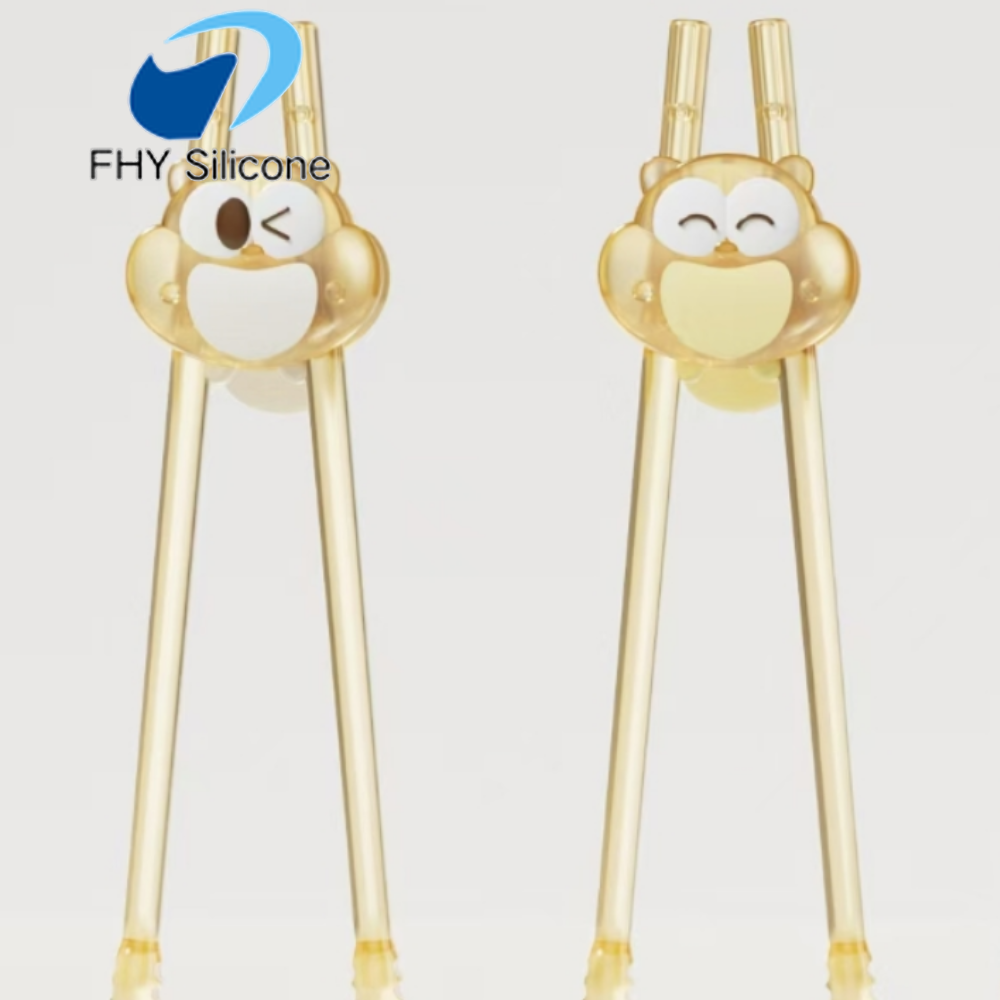
What Are OEM and ODM Services?
OEM, or Original Equipment Manufacturing, means the customer provides the product design, drawings, samples, or technical requirements, and the manufacturer produces the product according to those specifications. This option is suitable for brands that already have a clear product concept or existing product structure.
ODM, or Original Design Manufacturing, means the manufacturer helps develop the product design based on the customer’s target market, product idea, or brand positioning. This is ideal for startups, baby product brands, and distributors that want to launch a new product quickly but may not have a complete design team.
In the baby silicone product industry, both OEM and ODM services can include product design, 3D modeling, mold development, material selection, color matching, logo customization, packaging design, sample production, mass production, and quality inspection.
Popular Baby Silicone Products for Customization
Baby silicone products cover a wide range of applications. Some of the most common customized products include:
Silicone teethers are designed to soothe babies during teething. They can be customized into animal shapes, ocean themes, fruit shapes, cartoon-inspired styles, or simple ergonomic designs. The surface texture, grip area, thickness, softness, and color can all be adjusted.
Silicone baby bibs are popular because they are waterproof, soft, foldable, and easy to clean. Custom options usually include pocket design, neck adjustment holes, logo placement, color combinations, and packaging.
Silicone feeding products, such as baby spoons, training forks, suction bowls, plates, and food containers, can be customized according to feeding habits, safety requirements, and brand style. Soft edges, anti-slip structures, suction bases, and easy-grip handles are important design details.
Silicone pacifier straps and anti-lost straps are small but practical baby accessories. They can be customized in length, shape, button style, color, logo, and connection structure.
Silicone bath products, such as baby bath brushes and scrubbers, can be designed with soft bristles, comfortable handles, and cute shapes to improve the bathing experience.
Step 1: Define Your Product Concept
Before starting OEM or ODM customization, it is important to define the basic product direction. You should consider the target age group, product function, market positioning, selling price, brand style, and required certifications.
For example, a silicone teether for newborns should focus on softness, easy gripping, and safe surface texture. A suction bowl for toddlers should focus on stability, food safety, and easy cleaning. A silicone bib for online retail may need attractive colors, a strong visual identity, and compact packaging.
The clearer your product idea is, the easier it will be for the manufacturer to provide accurate suggestions and development solutions.
Step 2: Choose Food-Grade Silicone Material
For baby products, material safety is one of the most important factors. High-quality baby silicone products are usually made from food-grade silicone, which is soft, flexible, odorless, and resistant to high and low temperatures.
Depending on the product type, manufacturers may recommend different silicone hardness levels. For example, teethers usually require softer silicone for comfort, while suction bowls and plates may need slightly firmer silicone to maintain shape and stability.
For some complex baby products, liquid silicone rubber may be used because it is suitable for precision molding, soft-touch surfaces, and integrated structures. Material selection should match the product’s function, safety requirements, and expected user experience.
Step 3: Create the Product Design
For OEM projects, customers may already provide 2D drawings, 3D files, or physical samples. The manufacturer will evaluate the mold feasibility, material flow, wall thickness, demolding structure, and production efficiency.
For ODM projects, the manufacturer can help create a new design based on your concept. This may include shape design, size planning, texture design, grip structure, logo position, product thickness, and color matching.
For baby silicone products, design is not only about appearance. Comfort, safety, usability, and cleaning convenience must all be considered. Sharp corners should be avoided. The product should be easy for babies or parents to hold. Surface textures should be comfortable, not too hard or too aggressive.
Step 4: Develop the Mold
Once the design is confirmed, the next step is mold development. The mold directly affects product accuracy, surface quality, production efficiency, and final cost.
Before mold production, the manufacturer usually checks the 3D structure carefully. Important points include parting line position, wall thickness, shrinkage rate, logo engraving, surface texture, and demolding method.
A good mold can improve product consistency and reduce defects during mass production. For customized baby silicone products, mold quality is especially important because the final product needs to be smooth, safe, and visually attractive.
Step 5: Make Samples for Testing
Sample production is an essential step before mass production. Samples allow you to check the actual size, softness, color, surface texture, function, and overall appearance.
For example, when testing a silicone teether, you may need to check whether the shape is easy to grip, whether the texture feels comfortable, and whether the thickness is suitable. For a silicone suction bowl, you should test the suction strength, stability, and ease of cleaning.
If the sample is not perfect, adjustments can be made before mass production. This helps reduce risk and ensures the final product meets your brand requirements.
Step 6: Customize Colors, Logo, and Packaging
Brand identity is very important for baby silicone products. OEM and ODM services usually support custom colors based on Pantone codes or customer samples. Soft pastel colors, neutral tones, and nature-inspired colors are common choices for baby product brands.
Logo customization can be done by embossed logo, debossed logo, printed logo, or packaging label. For silicone baby products, molded logos are often preferred because they are durable and do not easily fade.
Packaging can also be customized, including color boxes, kraft boxes, display boxes, PE bags, paper cards, instruction sheets, and barcode labels. Good packaging helps improve product presentation and makes the product more suitable for retail, e-commerce, and gift markets.
Step 7: Mass Production and Quality Control
After the sample is approved, mass production can begin. During production, quality control is necessary at different stages, including raw material inspection, molding inspection, trimming inspection, appearance inspection, functional testing, and final packaging inspection.
For baby silicone products, common inspection points include color consistency, surface cleanliness, burrs, deformation, odor, size accuracy, softness, and product function. Products should be smooth, safe, and consistent from batch to batch.
Reliable manufacturers usually have clear production processes and inspection standards to help customers maintain stable quality.
Benefits of OEM and ODM Baby Silicone Product Customization
Custom baby silicone products allow brands to create unique product lines instead of selling common market items. With OEM and ODM services, you can control product appearance, function, material, color, packaging, and brand image.
Customization also helps improve market competitiveness. A well-designed silicone teether, feeding set, or baby care product can attract customers more easily and create stronger brand recognition.
For distributors and retailers, OEM and ODM services make it easier to launch private-label baby products and expand product categories without building a factory or development team from scratch.
Avslutande tankar
Customizing baby silicone products with OEM and ODM services is a practical way to develop safe, attractive, and marketable baby product lines. From product concept and material selection to mold development, sampling, production, and packaging, each step plays an important role in the final result.
Whether you need silicone teethers, baby bibs, feeding spoons, suction bowls, training cups, pacifier straps, or other baby care products, working with a professional silicone manufacturer can help turn your product ideas into real products for the global market.
 English
  Japanese
  Korean
  German
  French
  Italian
  Spanish
  Dutch
Dutch  Chinese
  Portuguese
  Polish
  Czech
Czech  Hungarian
  Swedish
  Finnish
  Vietnamese
  Thai
Thai  Turkish
  Arabic
  Russian